
Construction Stored Carbon
Carbon locked into the buildings we live in
From the heaviest slabs of timber to the tiniest specks of fibrous insulation, biobased materials take plant carbon and lock it away in buildings for centuries. Panel by panel, frame by frame, cities become the carbon sink that we inhabit and touch every day.

How construction stores carbon
The carbon cycle of biobased building products explained.
Trees, bamboo, hemp and other plants absorb CO₂ from the atmosphere through photosynthesis as they grow. When plant material is harvested and processed into a building product (a timber beam, a bamboo panel, a hempcrete wall) that carbon does not disappear. It stays locked inside the material.
As long as the building stands, that carbon remains out of the atmosphere. A well-built timber structure can store carbon for up to centuries.
Oncra measures the net carbon stored: the carbon content of the biobased materials used, minus the emissions from processing, manufacturing and transport. The result is a verified amount of CO₂ stored per square metre of construction.
~50%
Of the dry wood weight consists of carbon
35 – 100+
Years of carbon storage in buildings
0.5 – 1.2
Tonnes CO₂ stored per m³ of mass timber
Net
Calculation: stored carbon minus process emissions
Growth phase
Trees, bamboo or hemp grow and absorb CO₂ from the atmosphere through photosynthesis, building up carbon-rich biomass over years or decades.
Harvest and processing
The plant material is harvested and processed into building products. Net carbon is calculated by subtracting process emissions from the stored carbon content.
Storage in the building
The building locks the carbon in place. Oncra monitors the project and issues certificates representing each tonne of CO₂ stored.
What counts as Construction Stored Carbon
Any structure that uses biobased materials as a primary building component can be certified, regardless of size, location or sector.
Mass timber (CLT, Glulam)
Solid engineered wood panels and beams used for floors, walls, roofs and long-span structures. Applied across housing, offices and public buildings at every scale. One of the highest carbon densities per square metre of any building material.
Timber frame construction
A structural grid of vertical studs and horizontal rails, with cavities often filled with biobased insulation. Widely used in housing and low-rise construction.
Bamboo construction
One of the fastest-growing plants on earth, bamboo reaches structural maturity in three to five years. Harder than many temperate timber species and naturally resistant to moisture and wear.
Biobased fibre boards
Panels made from compressed wood fibre, hemp, flax or straw, used for sheathing, insulation and interior lining in both new build and renovation. A versatile workhorse of biobased construction applied almost everywhere.
Wood panel facades
Timber cladding and facade panels on existing or new buildings. As long as it serves structural applications, every tonne of biobased material stores real carbon.
Biobased insulation
Hemp, flax, wood fibre and cellulose insulation all carry significant carbon stores. Increasingly used in renovation as well as new build.
Featured project
Houtlab - Construction Stored Carbon
A mass timber mixed used office building. Houtlab demonstrates how biobased materials can be used in commercial construction, storing carbon throughout the building's lifetime.
View in registryCertified Construction Stored Carbon projects
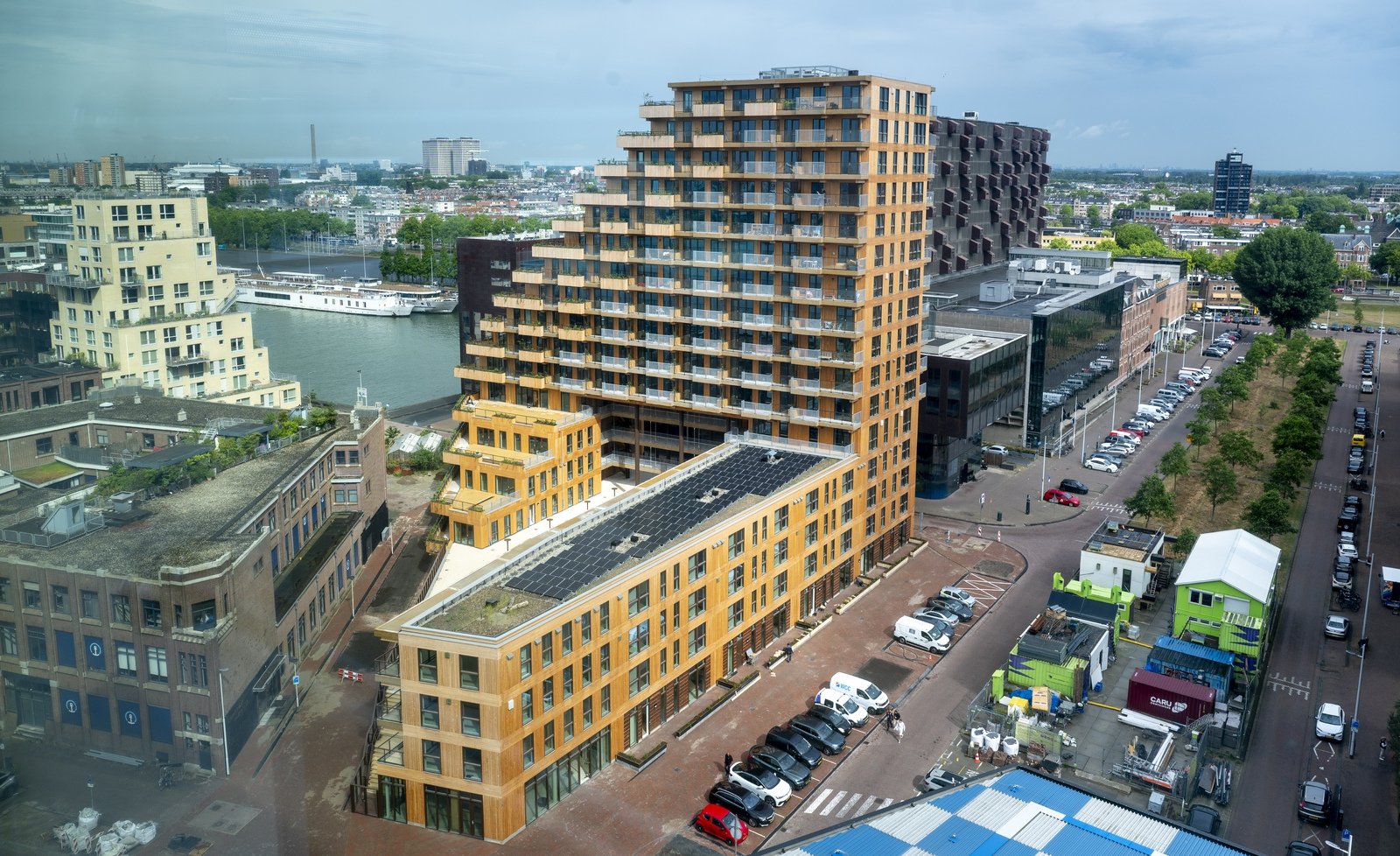
Sawa
Rotterdam, Netherlands
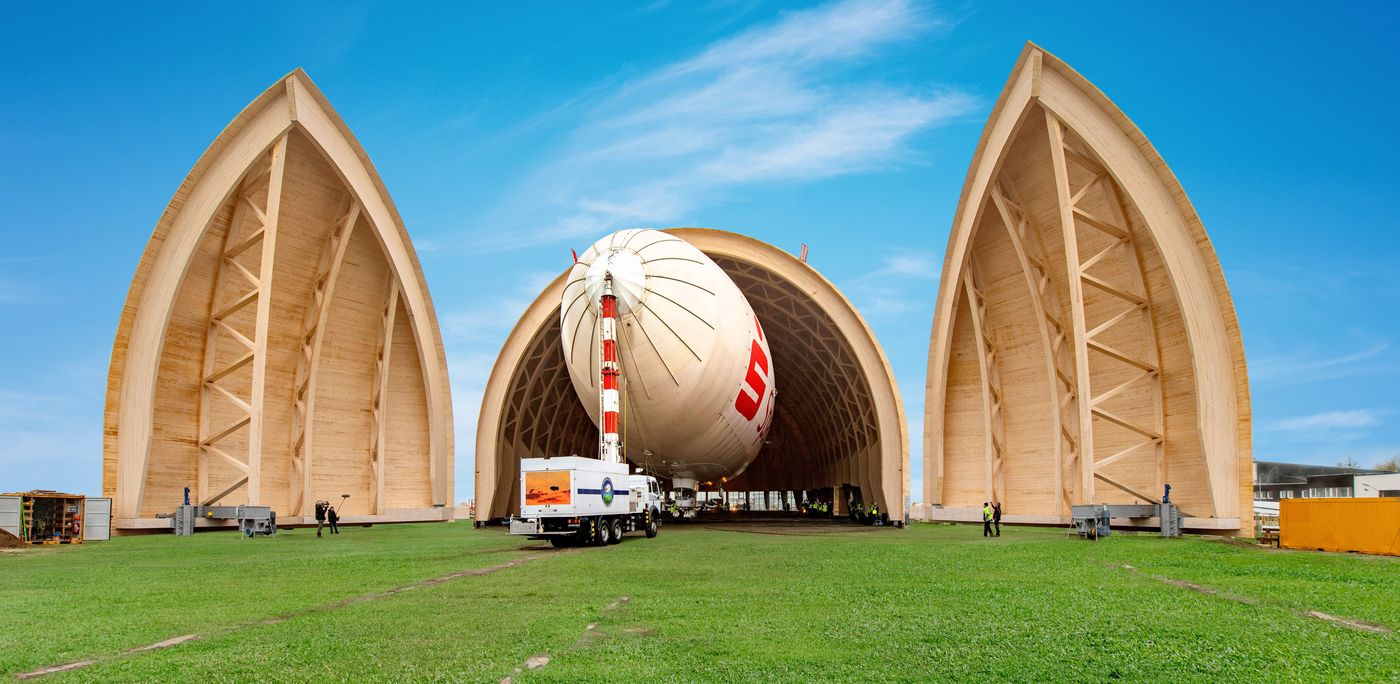
Derix
Germany
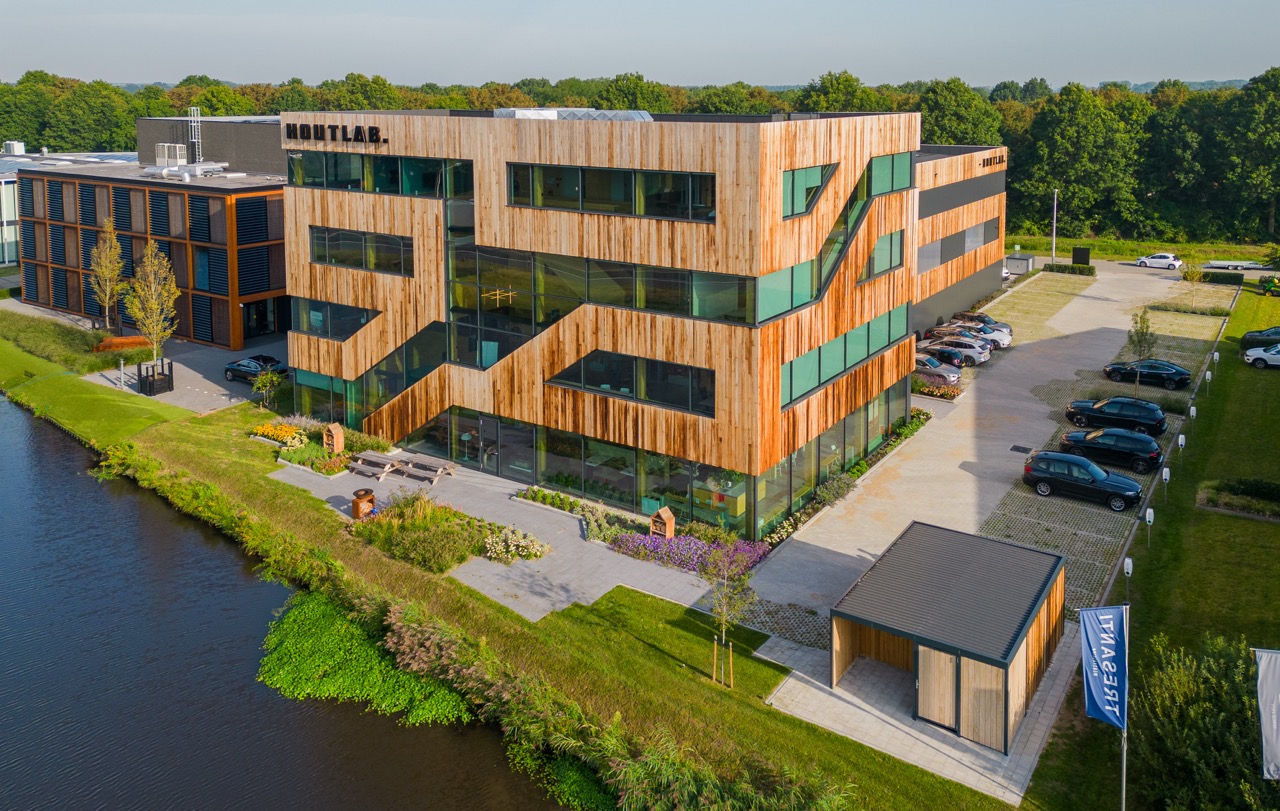
Houtlab
Nieuwkuijk, Netherlands
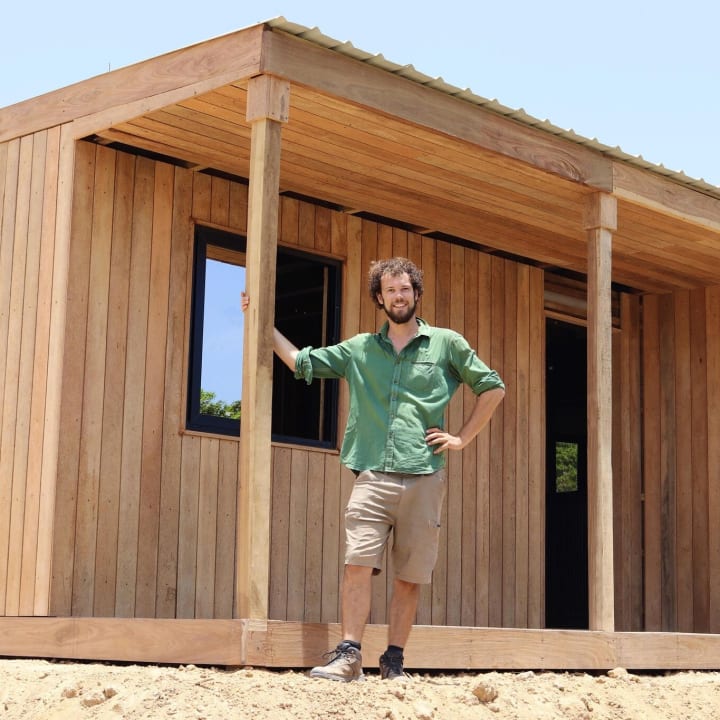
Easy Housing Uganda
Uganda
Sawa
Rotterdam, Netherlands
Derix
Germany
Houtlab
Nieuwkuijk, Netherlands
Easy Housing Uganda
Uganda
Sawa
Rotterdam, Netherlands
Derix
Germany
Houtlab
Nieuwkuijk, Netherlands
Easy Housing Uganda
Uganda
Sawa
Rotterdam, Netherlands
Derix
Germany
Houtlab
Nieuwkuijk, Netherlands
Easy Housing Uganda
Uganda
Sawa
Rotterdam, Netherlands
Derix
Germany
Houtlab
Nieuwkuijk, Netherlands
Easy Housing Uganda
Uganda
Sawa
Rotterdam, Netherlands
Derix
Germany
Houtlab
Nieuwkuijk, Netherlands
Easy Housing Uganda
Uganda
Sawa
Rotterdam, Netherlands
Derix
Germany
Houtlab
Nieuwkuijk, Netherlands
Easy Housing Uganda
Uganda
Sawa
Rotterdam, Netherlands
Derix
Germany
Houtlab
Nieuwkuijk, Netherlands
Easy Housing Uganda
Uganda
Methodology and certification
Oncra's Construction Stored Carbon protocol sets out exactly how we measure, verify and certify the carbon stored in biobased buildings.
What the protocol covers
- Eligible biobased materials and minimum thresholds
- Net carbon calculation (stored minus process emissions)
- Material source documentation requirements
- Building lifetime and permanence assumptions
- Monitoring and re-certification requirements
- Additionality and leakage considerations
Who can apply
Certification is open to anyone with an ownership stake in a building or the biobased materials installed in it, project developers, contractors, architects and building owners alike. This includes new builds, renovations and extensions of any scale.
There is no minimum project size. For small buildings you can ask your producer or supplier of materials to deliver you the credits.
Required documentation
When applying for Construction Stored Carbon certification, the following documents could be provided to prove that you meet the requirements. We keep the requirements practical and focused on what is needed to calculate and verify your carbon removal.
We support applicants throughout the process and help with completing the required documents where needed.
Material Information
Documentation that proves the amount of materials that actually went into the building. Together with environmental emission data we can calculate how much carbon your project stores.
Ownership Documentation
Documentation that shows your ownership the moment you lay the claim on the credits. This may require additional confirmation with value chain partners.
Environmental Calculations
An environmental impact calculation of your building may be needed for an overall overview and additionality purposes.
Proof of Sustainability
Proof that all materials have a sustainable origin with for example a PEFC or FSC certificate.
Pricing
Fees for construction stored carbon depend on your project type and scope.
Construction Stored Carbon projects vary significantly in size, material type and measurement complexity. Pricing is therefore project-specific and agreed during the intake process.
For a full overview of how fees are structured, see the Guidelines Pricing tab in our documentation.
View detailed Pricing in DocumentationOther methods of carbon storage
Construction is one of four sectors that Oncra certifies. Carbon can be stored in land, oceans and rocks too, and in biochar.

Land Stored Carbon
Carbon absorbed by soil, roots and living vegetation through farming, forestry and ecological restoration.
Learn more
Ocean Stored Carbon
Marine ecosystems sequestering carbon at scale, from seaweed farms to mangrove forests.
Learn more
Rock Stored Carbon
Permanent mineral carbonation through enhanced weathering of olivine and basalt.
Learn moreBiochar Stored Carbon
Biomass residues turned into stable biochar that stores carbon for centuries, in soils or in materials.
Learn moreReady to certify your biobased building?
Whether you are a contractor, developer or material producer, Oncra's certification process is designed to be straightforward. Start your application or contact us to discuss your project.