Land Stored Carbon
Carbon stored by soil, roots and living landscapes
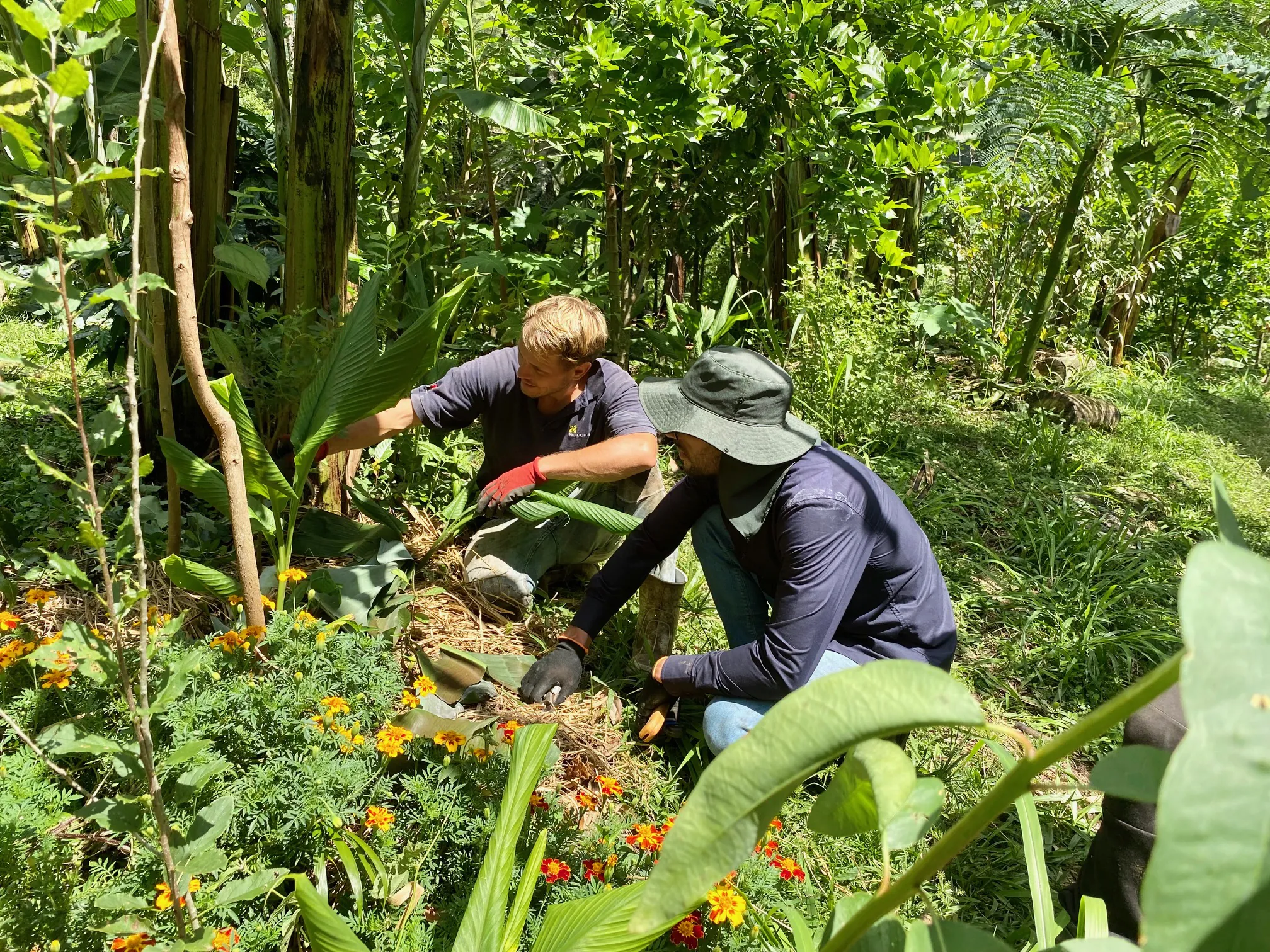
Every food forest, bamboo grove and regeneratively farmed field is storing carbon. The plants and soil beneath them hold CO₂ that was once in the atmosphere. Oncra certifies that storage and connects project owners with the funding to keep it growing.
Land Stored Carbon covers all living plant-based carbon storage: from annual energy crops to century-old food forests and agroforestry systems.

How land stores carbon
The natural process of photosynthesis, explained.
Every plant absorbs CO₂ from the atmosphere through photosynthesis. In annual crops, most of that carbon is released again when the plant dies. But perennial plants, trees, hedges, bamboo, and deep-rooted grasses build up carbon, stores year after year in their woody biomass and in the soil.
Soil organic matter is especially important. Regenerative farming practices that return organic matter to the soil, reduce tillage and support soil biology help build a carbon store that can persist for decades.
Oncra measures net carbon storage: the carbon accumulated in vegetation and soil over a defined measurement period, verified against baseline conditions and adjusted for any disturbances.
5–35
Tonnes CO₂/ha/year depending on species
~60%
Of all terrestrial carbon is stored in soil
20+
Year measurement period for long-term projects
Net
Calculation: accumulated carbon minus baseline
Photosynthesis
Plants and trees absorb CO₂ from the air and convert it into biomass (roots, stems, leaves and wood) using sunlight and water.
Accumulation
Perennial plants build up biomass year after year. Soil microbes convert plant matter into stable soil organic carbon that can persist for decades.
Measurement and certification
Oncra calculates the net carbon stored over the project lifetime, issues certificates and monitors the project to ensure the carbon remains stored.
What counts as Land Stored Carbon
Any land-based project that accumulates carbon in vegetation or soil, farmed, restored or deliberately planted. Explore our methodologies.
Food forests
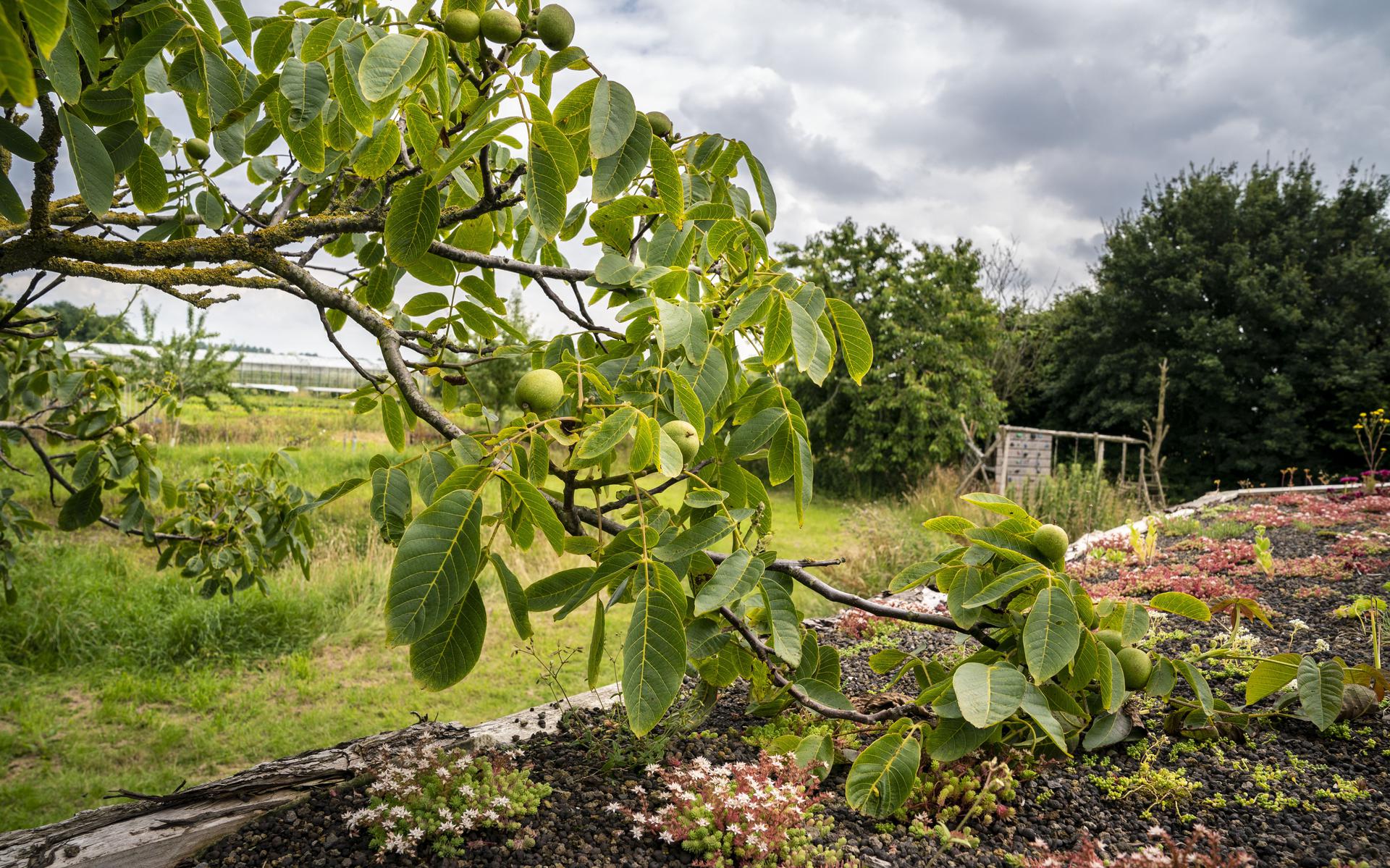
Food forests combine fruit trees, berry bushes, herbs and ground covers in a multilayer system that stores carbon while producing food. Several food forests in the Netherlands have been certified.
Bamboo
One of the fastest-growing plants on Earth. Bamboo sequesters carbon at high rates in its biomass and rhizome network, and regrows after harvest.
Agroforestry
Trees integrated with crops or livestock. Agroforestry systems store carbon in trees and improve soil health, while keeping the land economically productive.
Regenerative agriculture
Farming practices that rebuild soil organic matter, such as cover crops, reduced tillage, compost application and diverse crop rotations, store significant carbon over time.
Energy crops
Perennial grasses like miscanthus and elephant grass accumulate carbon in their deep root systems and return organic matter to the soil each season.
Reforestation
Planting native trees on degraded land stores carbon in wood and roots over decades.
Featured project type
Food forest - Land Stored Carbon
Food forests combine fruit trees, berry bushes, herbs and ground covers in a multilayer system that stores carbon while producing food. Several food forests in the Netherlands have been certified.
View projects in registryCertified Land Stored Carbon projects
Wilbert Nieuwenhuis
Boesingheliede, Netherlands
Scave Portugal Agroforestry
Portugal
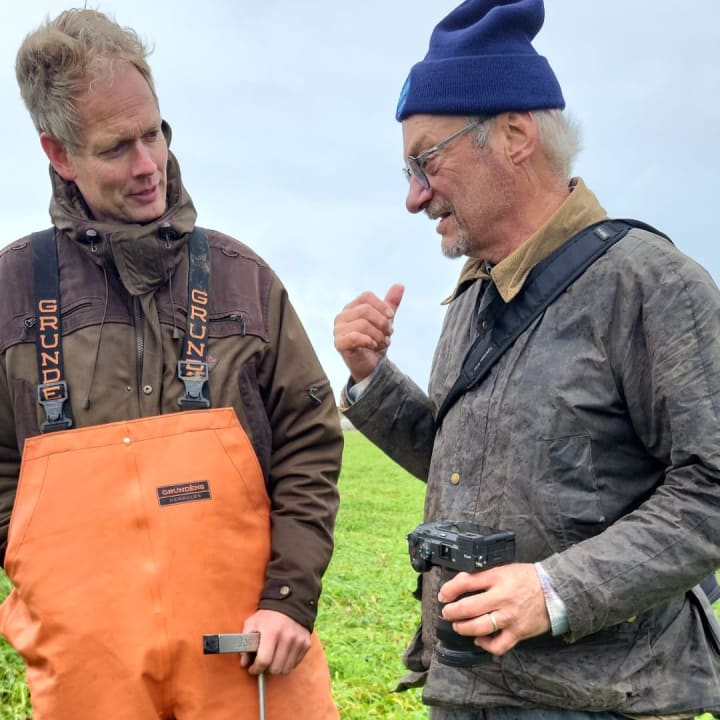
Van Putten 2024
Werkendam, Netherlands
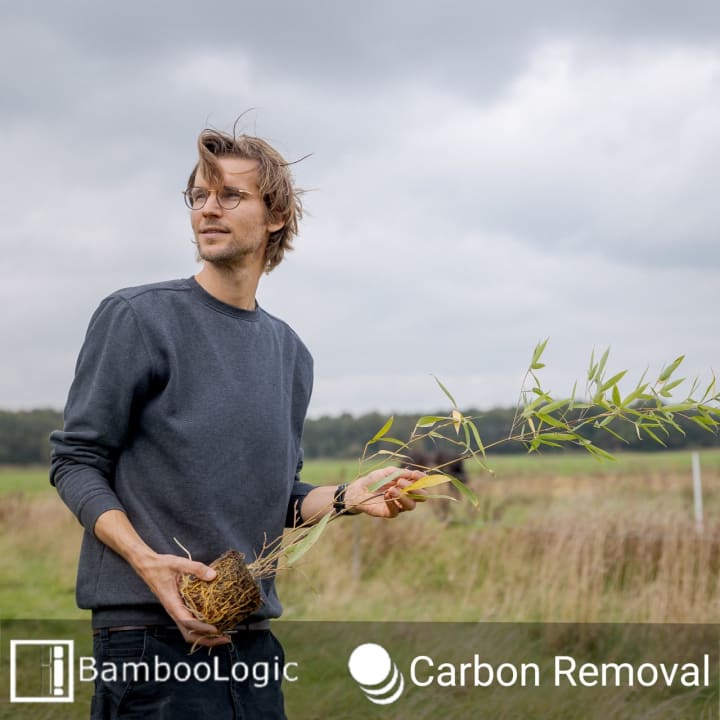
Bamboo Jelle de With
Zeijen, Netherlands
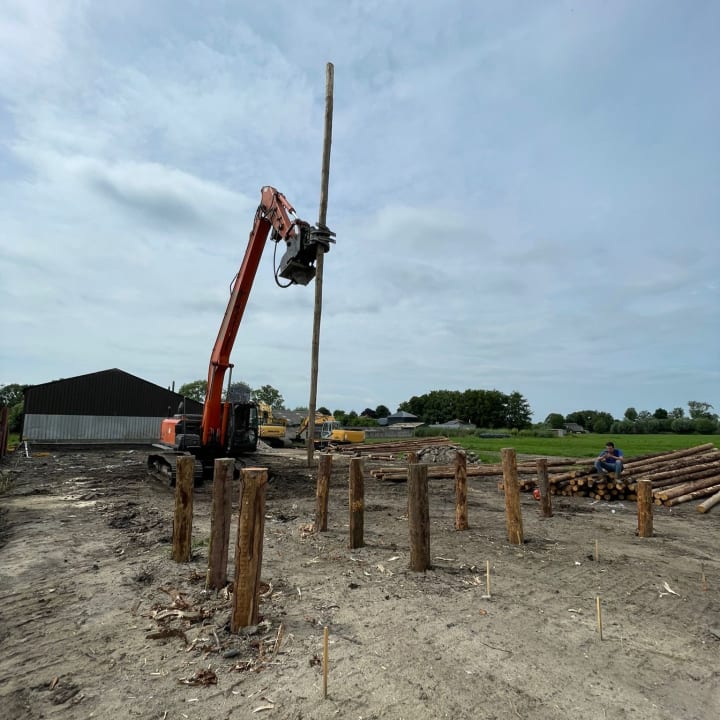
Underground Forest Kockengen
Kockengen, Netherlands
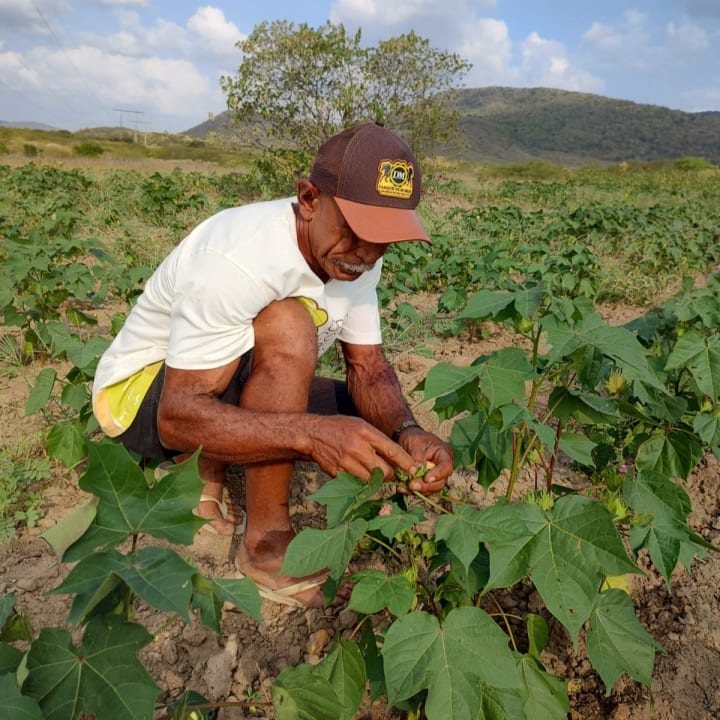
João Lourenço Gonçalves
Salgado de São Félix, Portugal
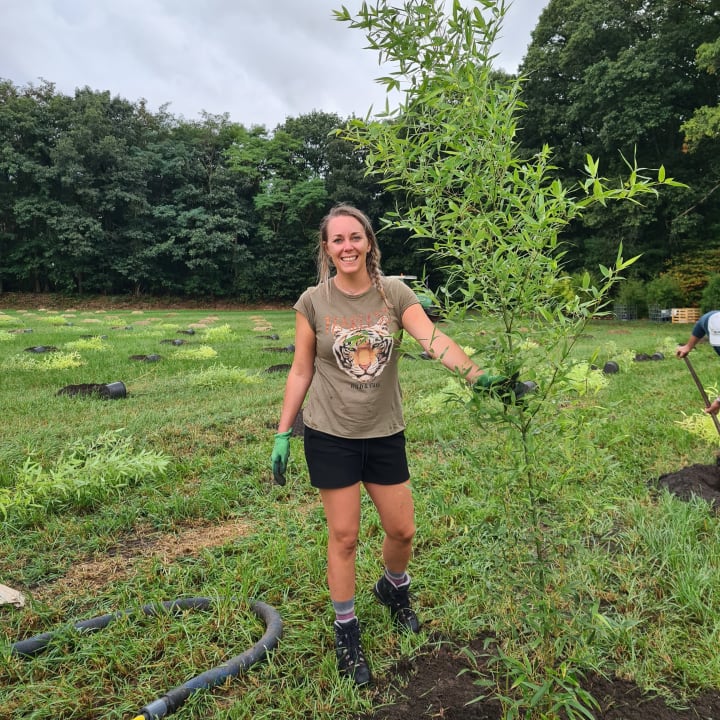
Bamboerim
Hulsel, Netherlands
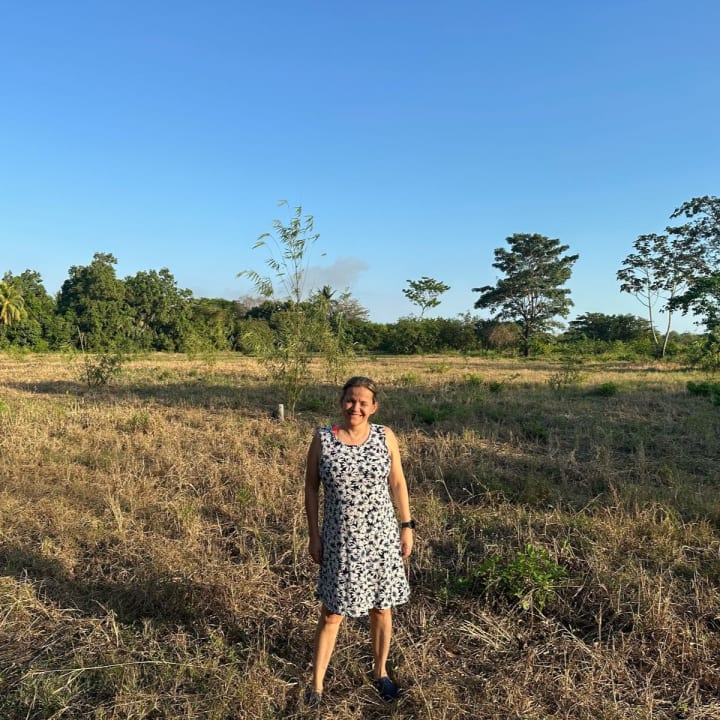
Finca Las Chatias - Bamboo
Los Cerritos
Wilbert Nieuwenhuis
Boesingheliede, Netherlands
Scave Portugal Agroforestry
Portugal
Van Putten 2024
Werkendam, Netherlands
Bamboo Jelle de With
Zeijen, Netherlands
Underground Forest Kockengen
Kockengen, Netherlands
João Lourenço Gonçalves
Salgado de São Félix, Portugal
Bamboerim
Hulsel, Netherlands
Finca Las Chatias - Bamboo
Los Cerritos
Wilbert Nieuwenhuis
Boesingheliede, Netherlands
Scave Portugal Agroforestry
Portugal
Van Putten 2024
Werkendam, Netherlands
Bamboo Jelle de With
Zeijen, Netherlands
Underground Forest Kockengen
Kockengen, Netherlands
João Lourenço Gonçalves
Salgado de São Félix, Portugal
Bamboerim
Hulsel, Netherlands
Finca Las Chatias - Bamboo
Los Cerritos
Wilbert Nieuwenhuis
Boesingheliede, Netherlands
Scave Portugal Agroforestry
Portugal
Van Putten 2024
Werkendam, Netherlands
Bamboo Jelle de With
Zeijen, Netherlands
Underground Forest Kockengen
Kockengen, Netherlands
João Lourenço Gonçalves
Salgado de São Félix, Portugal
Bamboerim
Hulsel, Netherlands
Finca Las Chatias - Bamboo
Los Cerritos
Wilbert Nieuwenhuis
Boesingheliede, Netherlands
Scave Portugal Agroforestry
Portugal
Van Putten 2024
Werkendam, Netherlands
Bamboo Jelle de With
Zeijen, Netherlands
Underground Forest Kockengen
Kockengen, Netherlands
João Lourenço Gonçalves
Salgado de São Félix, Portugal
Bamboerim
Hulsel, Netherlands
Finca Las Chatias - Bamboo
Los Cerritos
Wilbert Nieuwenhuis
Boesingheliede, Netherlands
Scave Portugal Agroforestry
Portugal
Van Putten 2024
Werkendam, Netherlands
Bamboo Jelle de With
Zeijen, Netherlands
Underground Forest Kockengen
Kockengen, Netherlands
João Lourenço Gonçalves
Salgado de São Félix, Portugal
Bamboerim
Hulsel, Netherlands
Finca Las Chatias - Bamboo
Los Cerritos
Methodology and certification
Oncra's Land Stored Carbon protocol sets out how we measure, verify and certify carbon stored in living vegetation and soil.
What the protocol covers
- Eligible land use types and minimum thresholds
- Carbon measurement in above- and below-ground biomass
- Soil organic carbon measurement methods
- Baseline establishment and additionality requirements
- Leakage, permanence and reversal risk provisions
- Annual monitoring and re-measurement obligations
Who can apply
Farmers, landowners, foresters and land stewards with land-based carbon storage projects can apply. The process is designed to work for small farms as well as large estates.
Projects can be at any stage, already established or newly planted. Oncra establishes a baseline and certifies carbon accumulation from the measurement start date onward.
Required documentation
When applying for Land Stored Carbon certification, the following documents are needed to calculate and verify your carbon removal.
We support applicants throughout the process and help with completing the required documents where needed.
Baseline soil carbon measurement
Soil carbon (%C) or organic matter measurement results.
Proof of ownership or project agreement
A document showing that you own the project site or have permission to carry out the project activities.
Map of the project location
Exact location of the fields for satellite baseline aboveground biomass analysis.
Life Cycle Assessment (LCA)
optionalGreenhouse gas emission report of the project activities (e.g. machinery use, transport, or other operational emissions). Alternatively, small-scale projects can use the provided default emissions estimate.
Pricing
Certification fees for Land Stored Carbon are volume-based and tied to actual sales. Full pricing details, including the pre-validation and sale stages, are available in the documentation.
View detailed Pricing in DocumentationOther methods of carbon storage
Land is one of four sectors that Oncra certifies. Carbon can also be stored in buildings, oceans and rocks, and in biochar.

Construction Stored Carbon
CO₂ locked into biobased buildings, timber, bamboo and hemp, for the lifetime of the structure.
Learn more
Ocean Stored Carbon
Marine ecosystems sequestering carbon at scale, from seaweed farms to mangrove forests.
Learn more
Rock Stored Carbon
Permanent mineral carbonation through enhanced weathering of olivine and basalt.
Learn moreBiochar Stored Carbon
Biomass residues turned into stable biochar that stores carbon for centuries, in soils or in materials.
Learn moreReady to certify your land-based project?
Whether you are a farmer, forester or land steward, Oncra's certification process is built for real-world projects. Start your application or explore how the process works.