Ocean Stored Carbon
The ocean stores carbon at a planetary scale
Seaweed, mangroves, seagrass and sargassum are nature's most efficient carbon absorbers. Marine ecosystems sequester carbon from the water, which pulls CO₂ back out of the atmosphere. Oncra certifies the storage and connects project owners with climate finance.
Ocean Stored Carbon covers all certified marine and coastal carbon removal: from cultivated seaweed farms to restored mangrove coastlines.

How oceans store carbon
Blue carbon and marine photosynthesis explained.
Oceans already absorb around a quarter of all CO₂ emitted globally each year. Marine plants and algae drive much of this: they absorb CO₂ dissolved in the water, which draws more CO₂ from the atmosphere to maintain equilibrium.
Blue carbon ecosystems, mangroves, seagrasses and salt marshes, store carbon not just in their biomass but in the sediments beneath them. These sediments can accumulate carbon for thousands of years, making coastal ecosystems among the most carbon-dense on the planet.
Seaweed farming operates differently: cultivated seaweed absorbs CO₂ rapidly as it grows. When harvested for products or when biomass sinks to the deep ocean, that carbon is removed from the active carbon cycle for extended periods.
~25%
Of global CO₂ emissions absorbed by oceans annually
10×
More carbon stored per hectare in mangroves vs tropical forest
1,000+
Years blue carbon can remain in coastal sediments
Net
Calculation: carbon removed minus monitoring-period emissions
Marine photosynthesis
Algae, seagrass and marine plants absorb CO₂ from ocean water. As they do, the ocean draws more CO₂ from the atmosphere to replace what was taken up.
Blue carbon sediments
In coastal ecosystems, organic matter accumulates in waterlogged, low-oxygen sediments. Carbon stored here can persist for millennia, locked away from the carbon cycle.
Certification and monitoring
Oncra measures the net carbon stored per project, issues certificates and requires ongoing monitoring to verify that the ecosystem remains intact and storing carbon.
What counts as Ocean Stored Carbon
Marine and coastal projects that remove CO₂ from ocean water and store it in biomass, sediments or the deep sea floor.
Seaweed farming
Cultivated seaweed grows rapidly and absorbs CO₂ at high rates. Harvested for food, feed or materials, or sunk to the deep ocean for long-term carbon storage.
Sargassum harvesting
Naturally occurring sargassum mats in the Atlantic are harvested before they decompose and release their CO₂. The harvested biomass stores carbon and can replace other materials.
Mangrove restoration
Mangrove forests store more carbon per hectare than almost any ecosystem on Earth, mostly in their waterlogged sediments. Restoration projects protect and rebuild these critical ecosystems.
Seagrass meadows
Underwater meadows of seagrass sequester carbon in their leaves, roots and the sediments below them. Restoration of degraded seagrass beds is a high-impact intervention.
Kelp forests
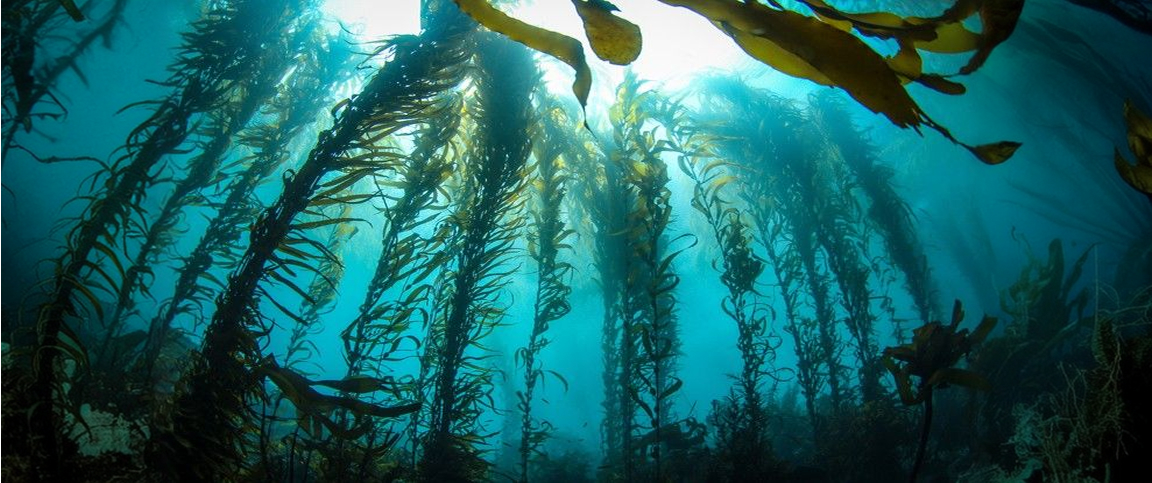
Large brown algae that form underwater forests in cold, nutrient-rich water. Kelp grows rapidly and stores carbon in its biomass; restoration of degraded kelp forests is gaining momentum.
Blue carbon sediments
The waterlogged sediments beneath coastal ecosystems store thousands of years of accumulated carbon. Protecting these from drainage, dredging or development preserves that storage.
Featured method
Seaweed farming - Ocean Stored Carbon
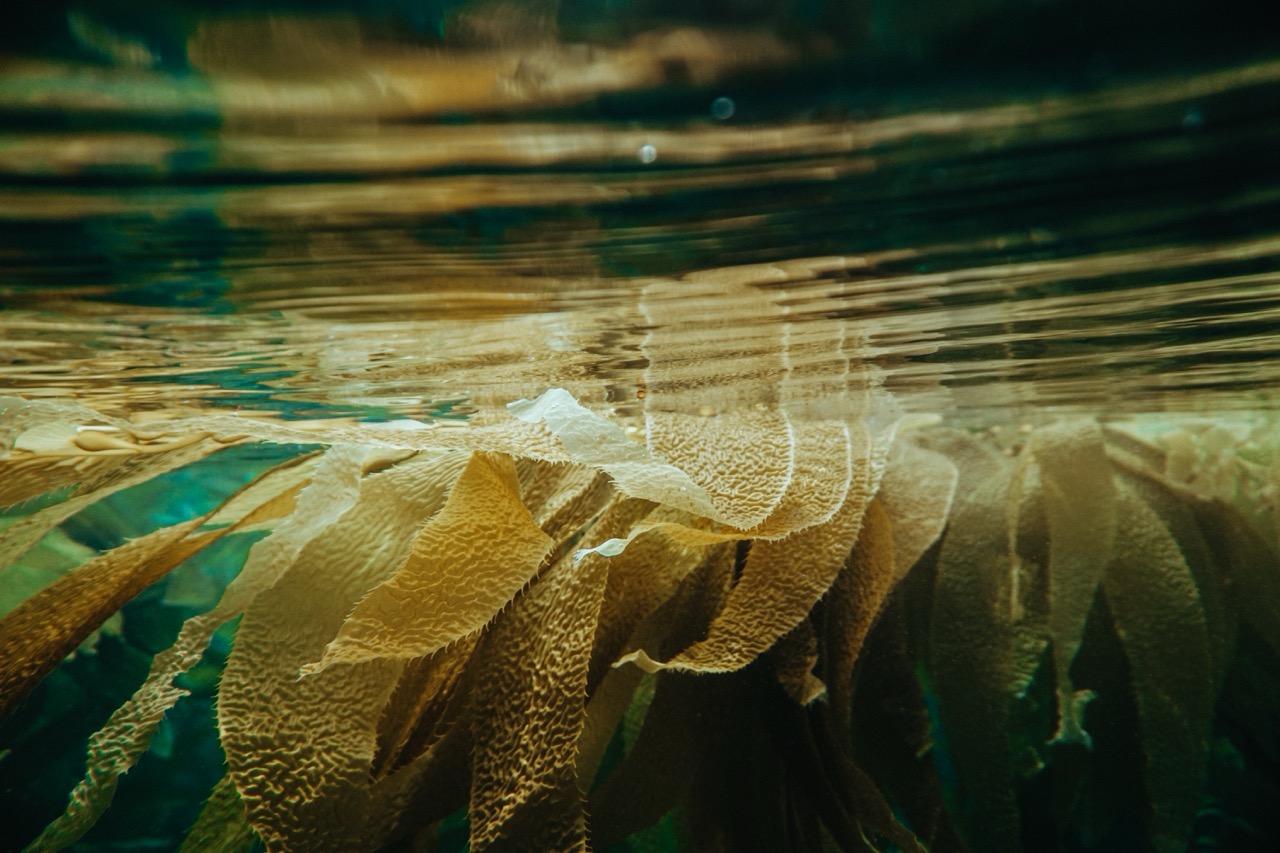
Seaweed is one of the fastest-growing organisms on Earth and can be farmed at sea without land, fresh water or fertiliser. As it grows it removes CO₂ from the water, which pulls more CO₂ out of the air. Oncra certifies the net carbon removed and stored by seaweed farming operations.
View projects in registryMethodology and certification
Oncra's Ocean Stored Carbon protocol defines how we measure, verify and certify the carbon removed and stored by marine ecosystems.
What the protocol covers
- Eligible marine ecosystem types
- Carbon measurement in aquatic biomass and sediments
- Baseline and additionality requirements for restoration
- Monitoring requirements for ecosystem health
- Permanence and reversal risk provisions
- Reporting and third-party verification
Who can apply
Seaweed farmers, marine restoration organisations, coastal land managers and conservation groups working on blue carbon ecosystems can apply for certification.
Both new projects and existing operations that have been storing carbon can be certified. Oncra works with project owners to establish the appropriate baseline and measurement approach for their specific ecosystem type.
Required documentation
When applying for Ocean Stored Carbon certification, the following documents are needed to calculate and verify your carbon removal.
We support applicants throughout the process and help with completing the required documents where needed.
Relevant carbon analyses
Information on the amount of carbon stored in the project area, such as sediment organic carbon (SOC), biomass carbon content, or the amount of biomass in the (eco)system. If direct measurements are not available, relevant scientific literature or existing datasets may be used.
Environmental Impact Assessment (EIA)
A document showing that the project complies with environmental and sustainability requirements.
Proof of ownership or project agreement
A document showing that you own the project site or have permission to carry out the project.
Pricing
Certification fees for Ocean Stored Carbon are volume-based and tied to actual sales. Full pricing details, including the pre-validation and sale stages, are available in the documentation.
View detailed Pricing in DocumentationOther methods of carbon storage
Oceans are one of four sectors Oncra certifies. Carbon is also stored in buildings, land and rocks, and in biochar.

Construction Stored Carbon
CO₂ locked into biobased buildings, timber, bamboo and hemp, for the lifetime of the structure.
Learn more
Land Stored Carbon
Carbon absorbed by soil, roots and living vegetation through farming, forestry and ecological restoration.
Learn more
Rock Stored Carbon
Permanent mineral carbonation through enhanced weathering of olivine and basalt.
Learn moreBiochar Stored Carbon
Biomass residues turned into stable biochar that stores carbon for centuries, in soils or in materials.
Learn moreReady to certify your ocean carbon project?
Whether you farm seaweed, restore mangroves or manage seagrass meadows, Oncra can certify the carbon you store. Start your application or explore how the process works.