Rock Stored Carbon
Mineral weathering that permanently removes CO₂
Olivine reacts with CO₂ in water and locks it permanently into stable minerals. This process, enhanced weathering, accelerates what nature does over millions of years. Oncra certifies the carbon removed and turns it into verified climate accounting.
Eligible Rock Stored Carbon projects focus on terrestrial applications of olivine, due to this mineral's fast weathering potential. These projects can be realised in both agricultural and civil settings.

How rocks store carbon
The geochemistry of enhanced weathering, explained.
Silicate rocks naturally react with CO₂ dissolved in rainwater. Over geological timescales this process, chemical weathering, has regulated Earth's climate for billions of years by removing CO₂ from the atmosphere and converting it into bicarbonate ions or stable carbonate minerals.
Enhanced weathering speeds this process up dramatically. By grinding olivine into fine particles and spreading them on farmland, infrastructure or other suitable sites, the surface area available for reaction increases enormously, accelerating CO₂ removal from geological timescales to years or decades.
The CO₂ captured this way is converted into dissolved bicarbonate ions that wash into rivers and eventually the ocean, where they remain stable for tens of thousands of years. This is among the most permanent forms of carbon removal available.
10,000+
Years CO₂ remains stored in the ocean
0.25 – 1.25
Tonnes CO₂ removed per tonne of olivine applied
Permanent
Storage: CO₂ converted to stable mineral carbonates
Co-benefits
Improved soil pH, plant nutrients and crop yields
Mineral application
Crushed silicate rock, i.e. olivine, is spread on farmland, infrastructure or other suitable sites. Fine grinding maximises the surface area available for reaction.
Chemical reaction
Water and CO₂ react with the mineral surface. The silicate dissolves and CO₂ is converted into bicarbonate ions and stable carbonate minerals, permanently removing it from the atmosphere.
Measurement and certification
Oncra quantifies the net CO₂ removed: total project carbon removal is calculated through a model and the emissions from mining, grinding and application are subtracted. Certificates are issued per verified tonne.
What counts as Rock Stored Carbon
Any project that applies pulverised olivine to accelerate the natural weathering process and permanently convert CO₂ into stable minerals or dissolved bicarbonate.
Olivine on farmland
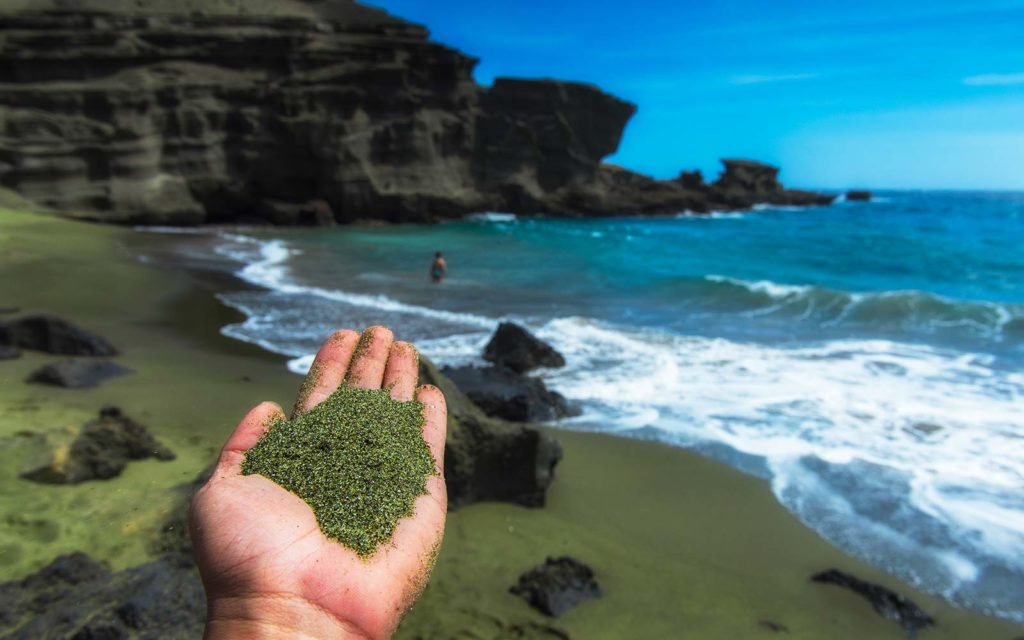
Olivine, a green, fast-weathering silicate mineral, is very suitable for enhanced weathering applications. Applied to agricultural fields, it removes CO₂, improves soil pH and supplies plant-available magnesium.
Olivine in infrastructure
Road fill, railway ballast and construction aggregates replaced with crushed olivine. As rainwater flows through, weathering occurs continuously over the infrastructure lifetime.
Olivine in other applications
The possibilities for olivine applications are virtually endless. Olivine can also be used in artificial sports fields, playgrounds, campsites, green roofs, parks and many other open terrestrial environments where the material is exposed to rainwater and natural weathering processes.
Featured method
Olivine in infrastructure - Rock Stored Carbon
Crushed olivine can replace conventional gravel in road foundations, cycle paths and railway ballast. As rain falls through the material it reacts with CO₂ and bicarbonate-rich water flows into drainage systems, continuously removing carbon over the lifetime of the infrastructure.
View projects in registryCertified Rock Stored Carbon projects
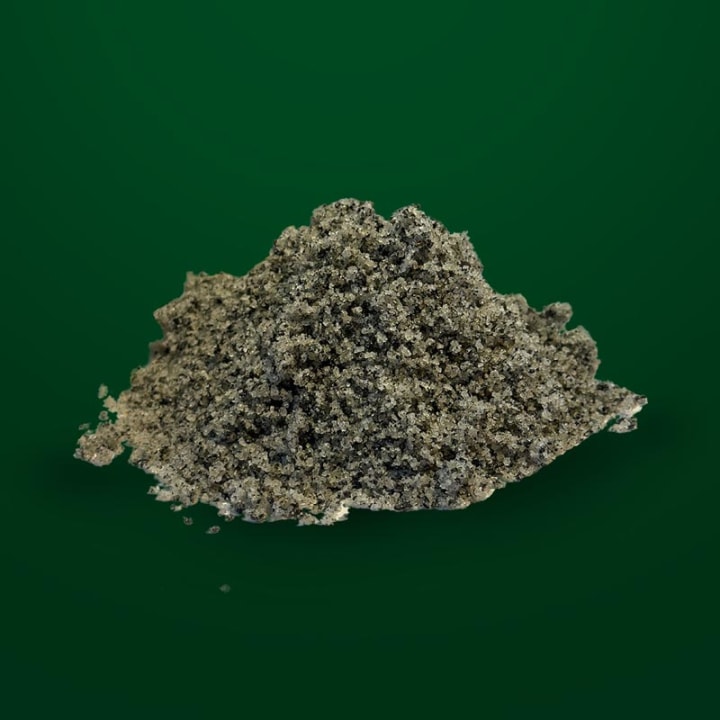
GoGreenSalt - Jos Scholman
Utrecht, Netherlands
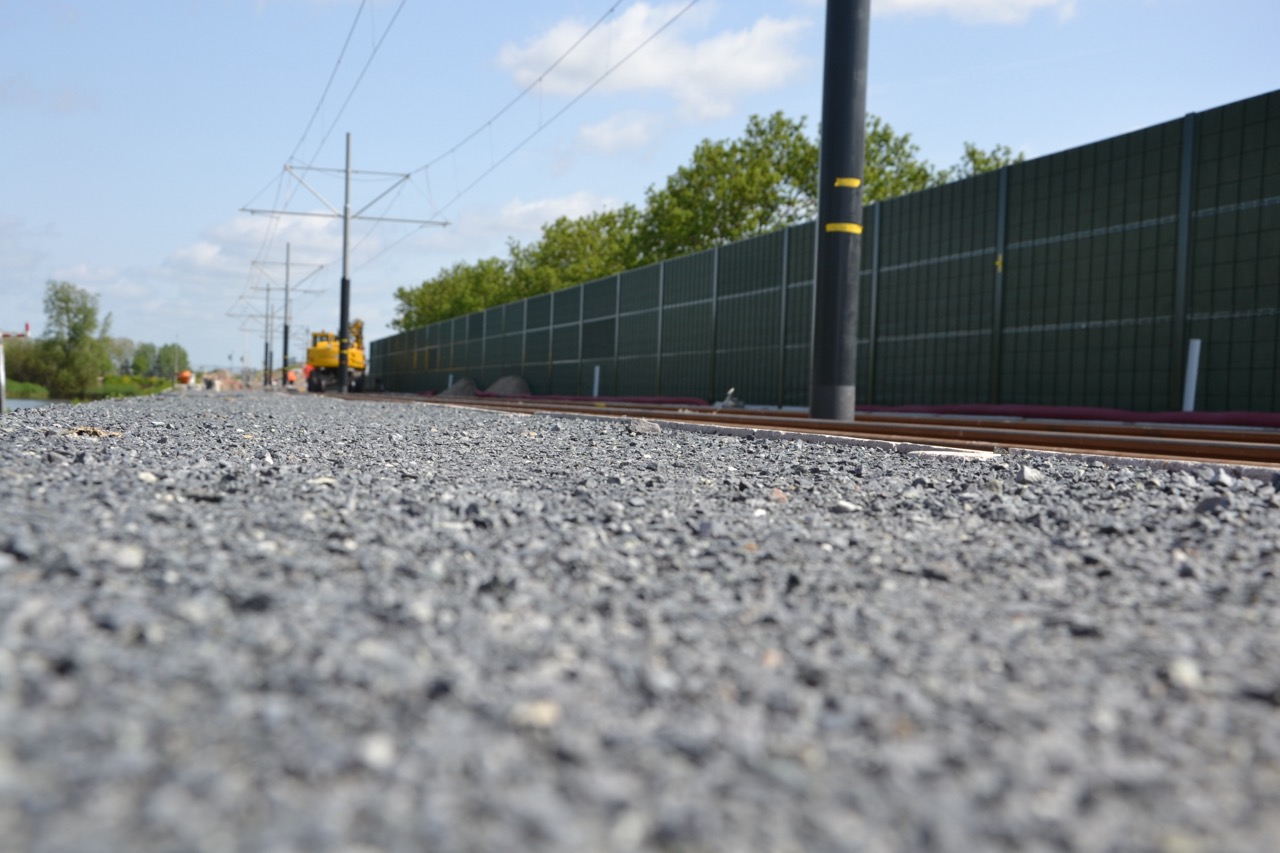
GreenSand Uithoornlijn
Netherlands
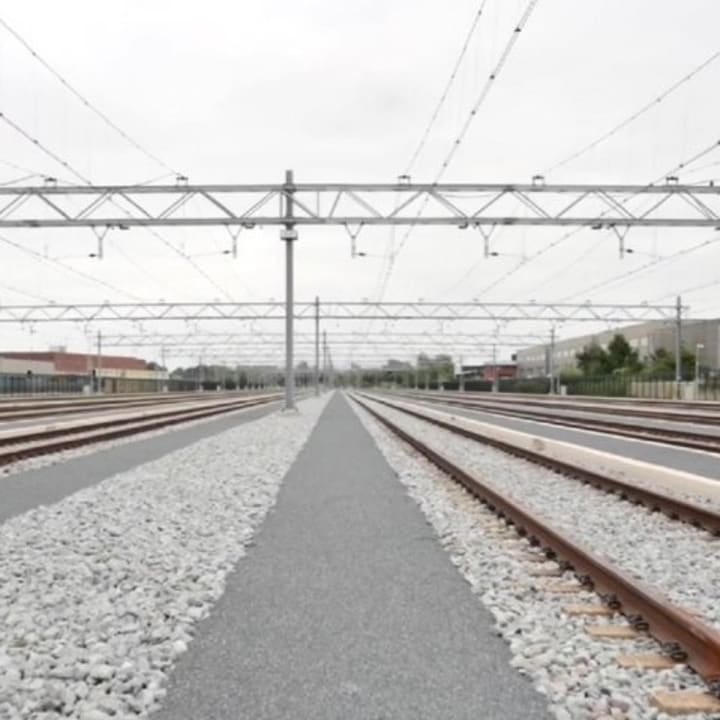
GreenSand opstelterrein Arnhem
Arnhem, Netherlands
GoGreenSalt - Jos Scholman
Utrecht, Netherlands
GreenSand Uithoornlijn
Netherlands
GreenSand opstelterrein Arnhem
Arnhem, Netherlands
GoGreenSalt - Jos Scholman
Utrecht, Netherlands
GreenSand Uithoornlijn
Netherlands
GreenSand opstelterrein Arnhem
Arnhem, Netherlands
GoGreenSalt - Jos Scholman
Utrecht, Netherlands
GreenSand Uithoornlijn
Netherlands
GreenSand opstelterrein Arnhem
Arnhem, Netherlands
GoGreenSalt - Jos Scholman
Utrecht, Netherlands
GreenSand Uithoornlijn
Netherlands
GreenSand opstelterrein Arnhem
Arnhem, Netherlands
GoGreenSalt - Jos Scholman
Utrecht, Netherlands
GreenSand Uithoornlijn
Netherlands
GreenSand opstelterrein Arnhem
Arnhem, Netherlands
GoGreenSalt - Jos Scholman
Utrecht, Netherlands
GreenSand Uithoornlijn
Netherlands
GreenSand opstelterrein Arnhem
Arnhem, Netherlands
GoGreenSalt - Jos Scholman
Utrecht, Netherlands
GreenSand Uithoornlijn
Netherlands
GreenSand opstelterrein Arnhem
Arnhem, Netherlands
Methodology and certification
Oncra's Rock Stored Carbon protocol defines how we measure, verify and certify the CO₂ removed through enhanced mineral weathering.
What the protocol covers
- Eligible material and application
- Net CO₂ calculation: weathering flux minus lifecycle emissions
- Permanence requirements
- Sustainability requirements
- Additionality requirements
- Monitoring, reporting and verification requirements
Who can apply
Olivine producers, farmers, infrastructure developers, or anyone else playing a significant role in the value chain from mining to application can apply for Rock Stored Carbon certification.
Projects can be ongoing applications or newly established operations. Oncra works with applicants to design a monitoring programme appropriate to their application type.
Required documentation
When applying for Rock Stored Carbon certification, you will need to provide the following documents. We keep the requirements practical and focused on what is needed to calculate and verify your carbon removal.
We support applicants throughout the process and help with completing the required documents where needed.
Material analysis
A document showing the MgO content and grain size distribution of the material. We use the MgO content to estimate how much CO₂ the material can potentially store, and the grain size to estimate how quickly weathering takes place.
Invoice or delivery document
We use this to demonstrate how many tonnes of olivine are used in the project.
Life Cycle Assessment (LCA)
An LCA helps us assess the emissions associated with mining, processing and transport of the olivine, and potentially compare these to a conventional material it replaces.
Proof of ownership or project agreement
A document showing that you own the project site or have permission to carry out the project.
Pricing
Certification fees for Rock Stored Carbon are volume-based and tied to actual sales. Full pricing details, including the pre-validation and sale stages, are available in the documentation.
View detailed Pricing in DocumentationOther methods of carbon storage
Rock weathering is one of four sectors Oncra certifies. Carbon is also stored in buildings, land and oceans, and in biochar.

Construction Stored Carbon
CO₂ locked into biobased buildings (timber, bamboo and hemp) for the lifetime of the structure.
Learn more
Land Stored Carbon
Carbon absorbed by soil, roots and living vegetation through farming, forestry and ecological restoration.
Learn more
Ocean Stored Carbon
Marine ecosystems sequestering carbon at scale, from seaweed farms to mangrove forests.
Learn moreBiochar Stored Carbon
Biomass residues turned into stable biochar that stores carbon for centuries, in soils or in materials.
Learn moreReady to certify your rock weathering project?
Oncra certifies enhanced weathering projects of all scales, from experimental farm plots to large infrastructure deployments. Start your application or read the full protocol.